

Galerie









Diskografie
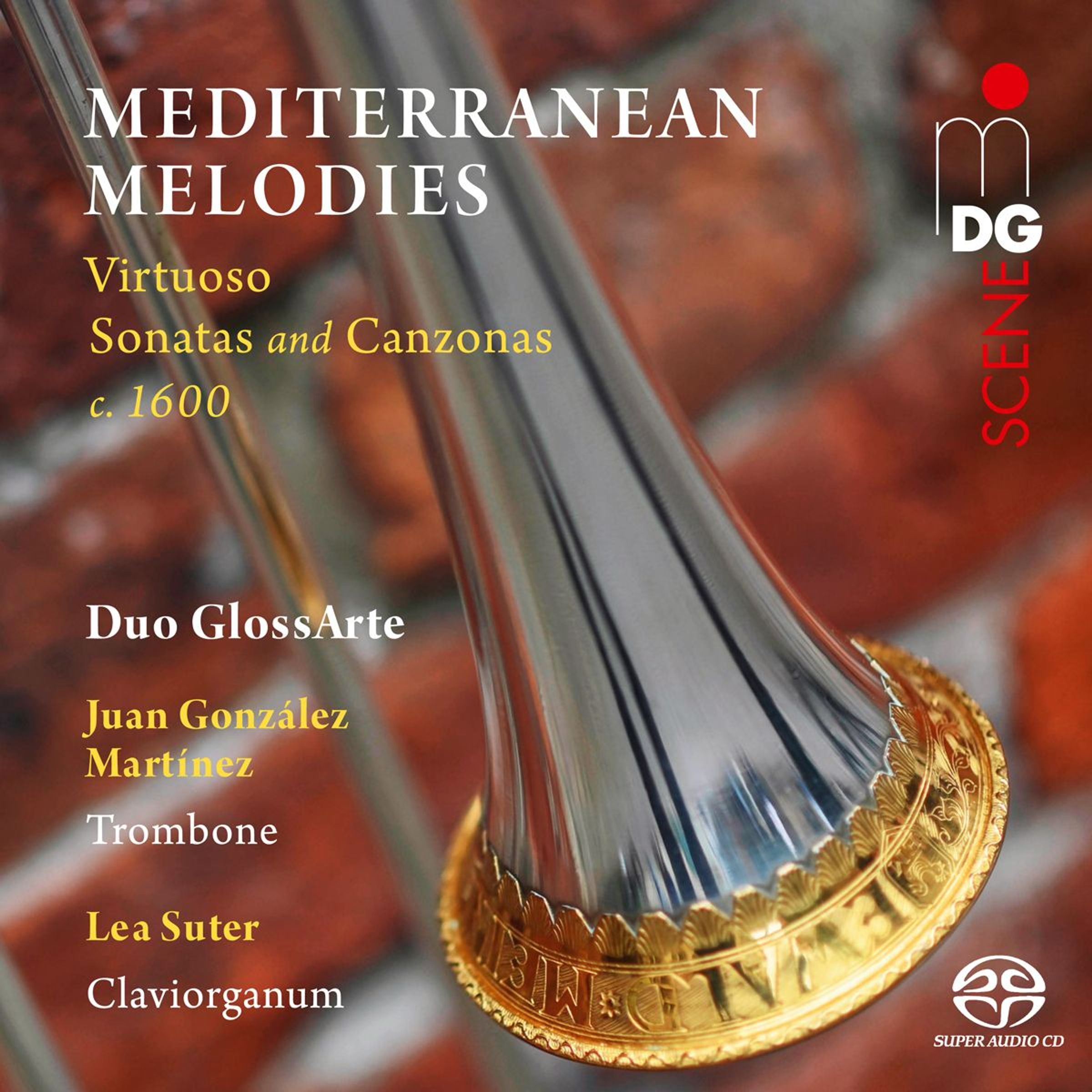
Mediterranean Melodies – Virtuoso Sonatas and Canzonas
precious: A fascination in gold and silver: for the popes of the Renaissance and the princes of the Baroque, they were dazzling status symbols. Now Lea Suter and Juan González Martínez, as Duo GlossArte, bring these treasures back to life for today’s ears. The unmistakably delicate sound of the silver trombone—refined by harpsichord or organ accompaniment—takes us on a journey around the Mediterranean and through the first half of the 17th century, transporting us into the music of long bygone times.
filigree: The instrument’s bright lightness lends itself especially to the surprisingly virtuoso passages, such as in Rognoni’s diminutions on Orlando di Lasso’s once-famous hit Susanna d’Orlando—one of the earliest works ever expressly written for the trombone. Yet Rognoni also knew how to deploy its lyrical qualities with great skill, for example in his arrangement of Palestrina’s Pulchra est anima mea.
magnificent: Palestrina’s austerity meets pure emotion: at the beginning of the 17th century, the stile moderno increasingly replaces the polyphony of the stile antico; affects and expressivity now shape the music. The expressive range that Juan González Martínez conjures on his trombone finds an imaginative and charismatic counterpart in Lea Suter’s playing on harpsichord and organ.
opulent: From Venice to Seville, from Naples to Toledo—music flourished in the South in the late Renaissance. Duo GlossArte traces the virtuosi of the era and awakens one of the most fascinating periods in music history to compelling new life.
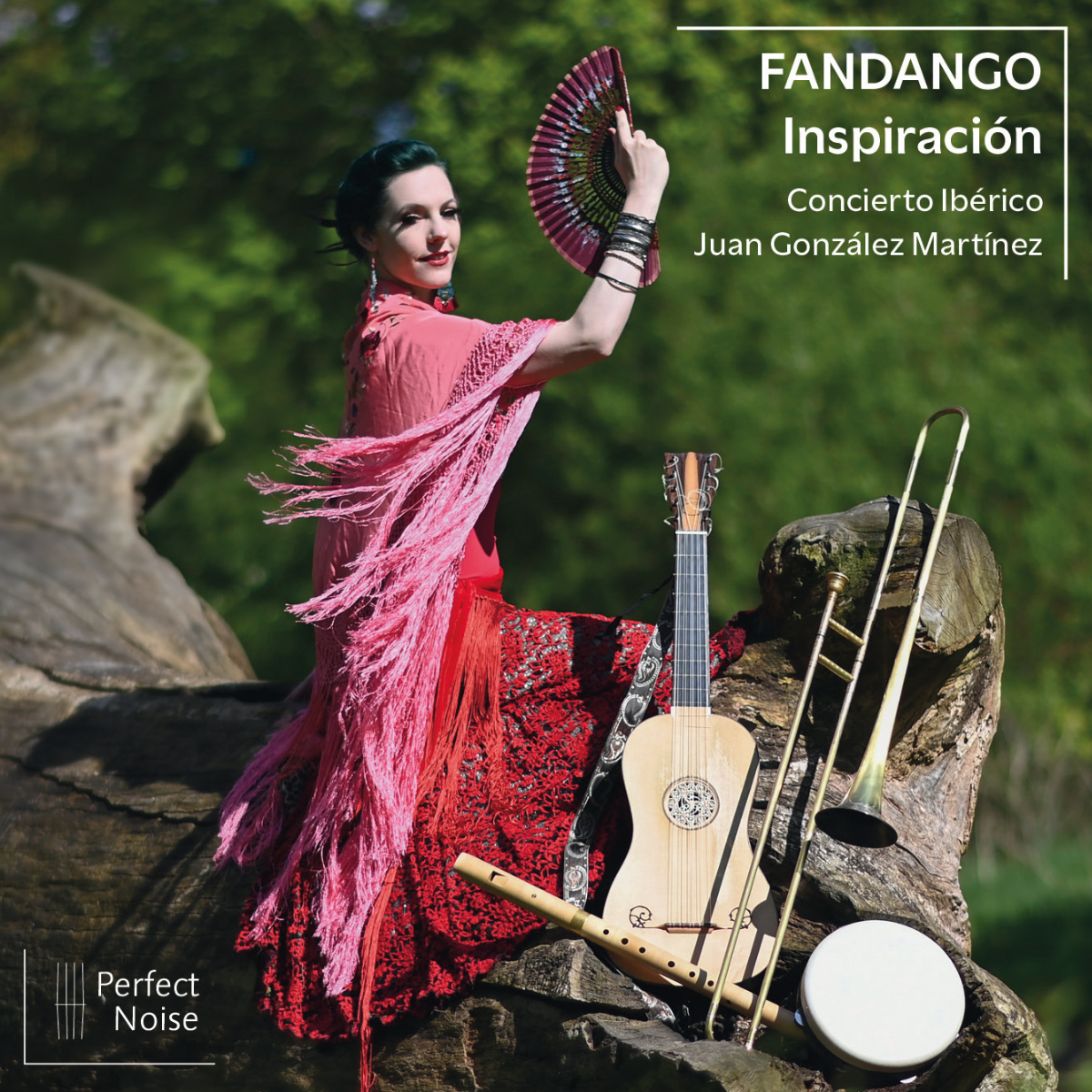
Fandango – Inspiración
Danced joie de vivre—a passionate musical voyage of discovery to the origins of the captivating dance “Fandango.”
Whether poor or rich, young or old, tall or short:
almost everyone among the people knew the basic figures of this highly improvisatory song-dance. It was danced in dance academies and theatres just as much as it was in the streets of the cities, in taverns, dance halls, and the palaces of the upper classes.
The fandango—Spain’s national dance in the 18th century, traditionally scored for guitar and castanets—now also features the trombone! It was, and still is, pure danced joy of life.
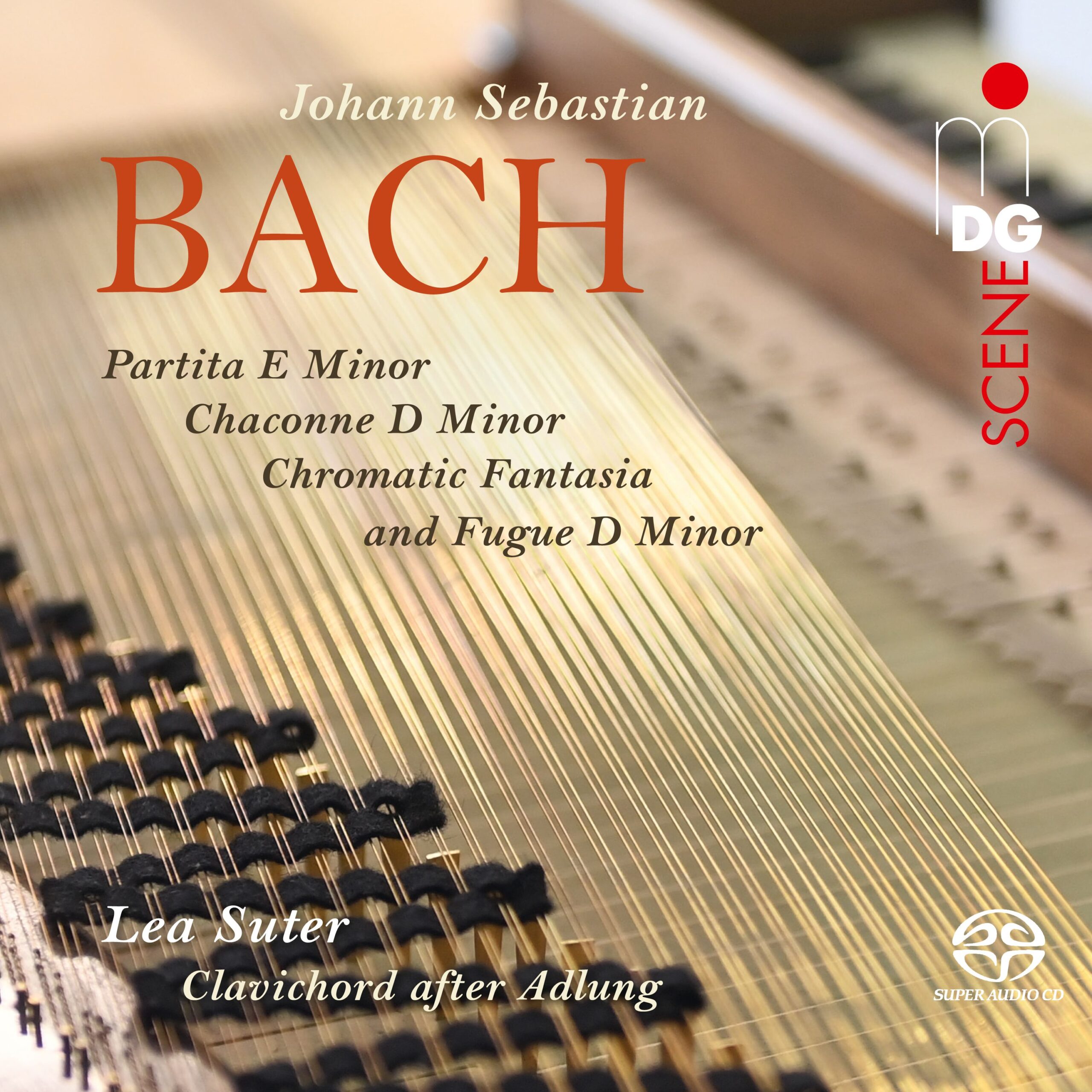
BACH
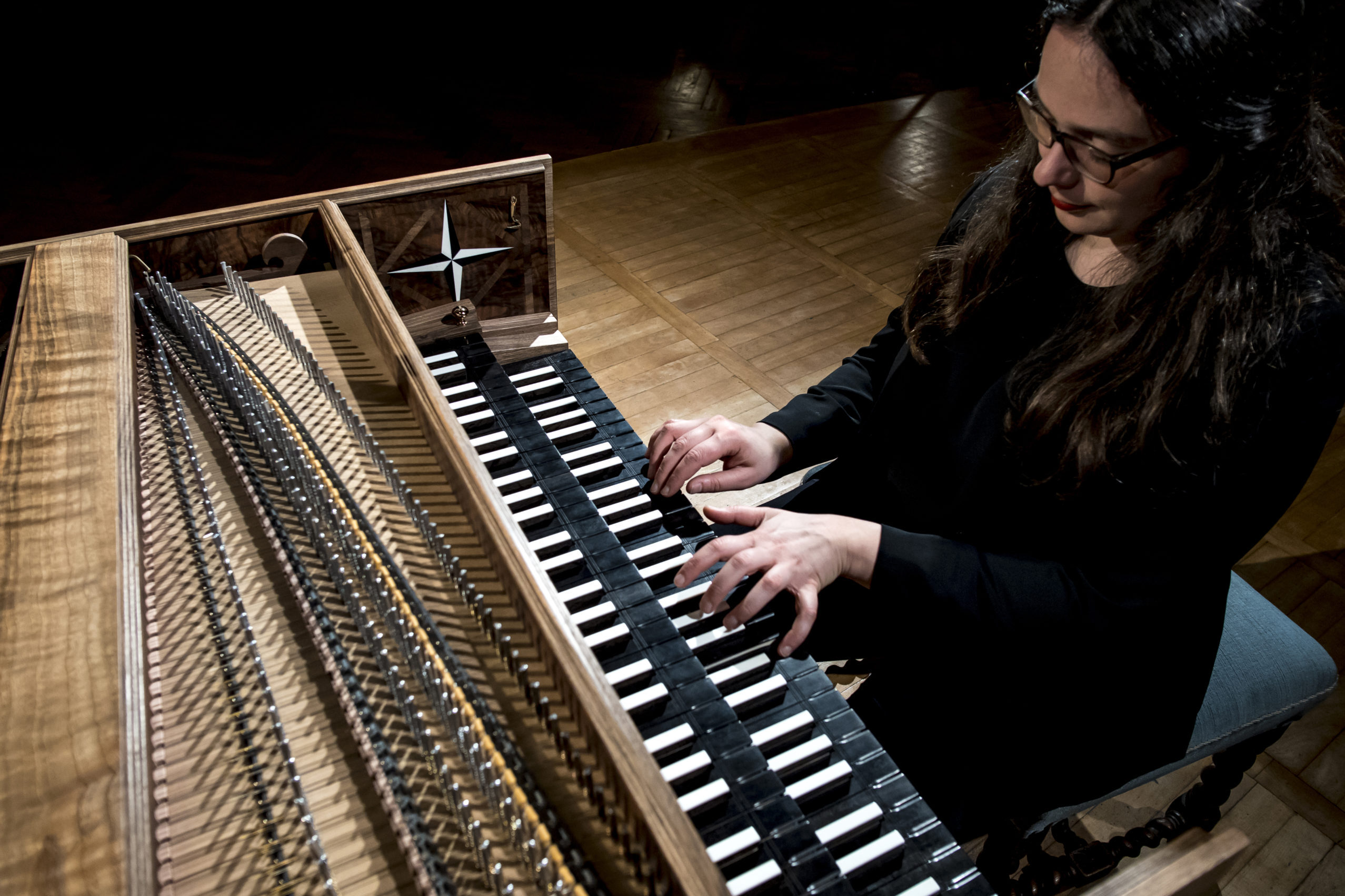
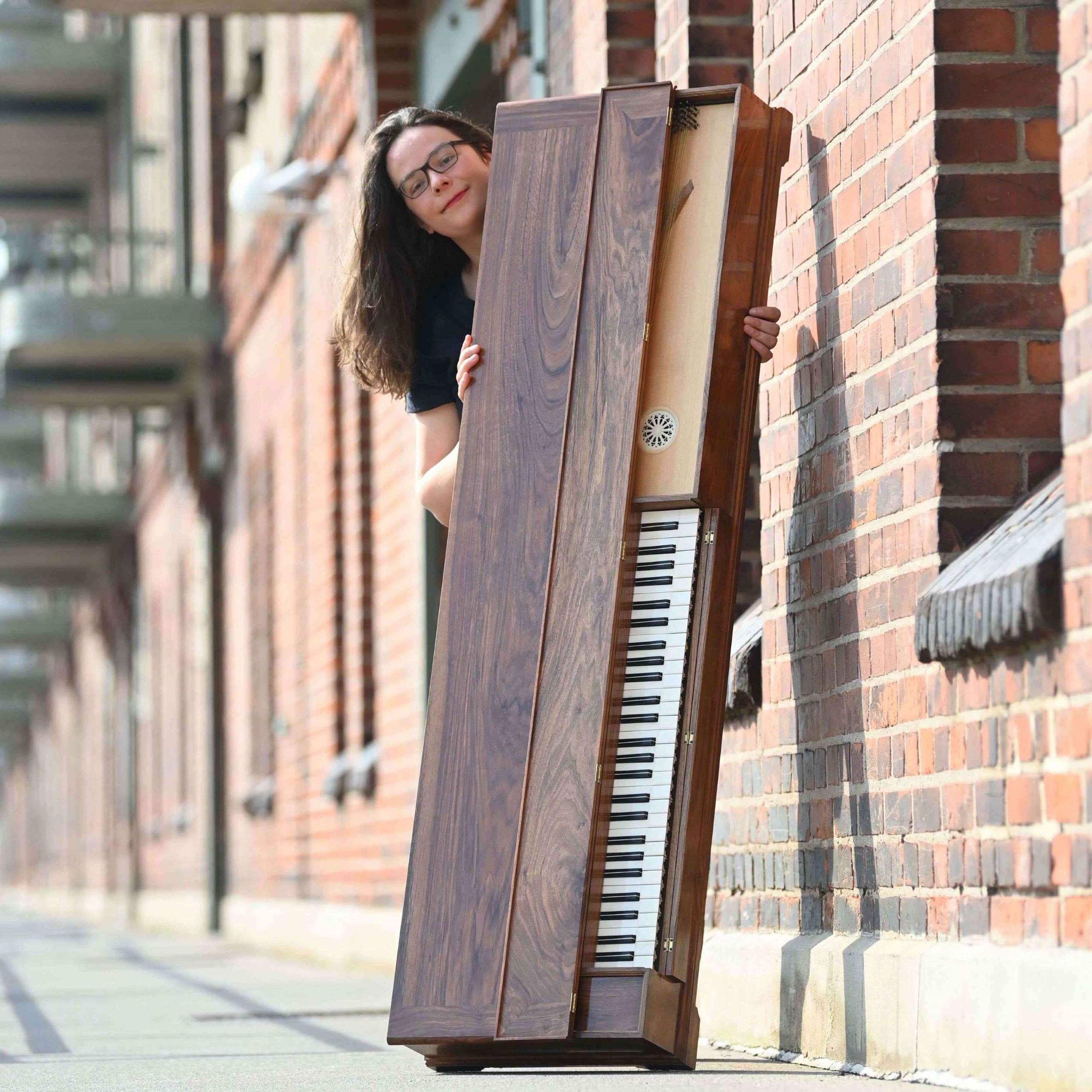
Hardly any other keyboard instrument sounds as delicate, yet at the same time as richly varied in expression, as the clavichord. Its direct action allows the finest nuances, and even vibrato is possible. Bach loved the instrument and used the clavichord to introduce his students to expression and affects. Lea Suter draws on this tradition with imagination in her latest recording, revealing the wealth of inspiration contained in such well-known works as the Chromatic Fantasia and Fugue, the E minor Partita, and even the magnificent Chaconne for solo violin.
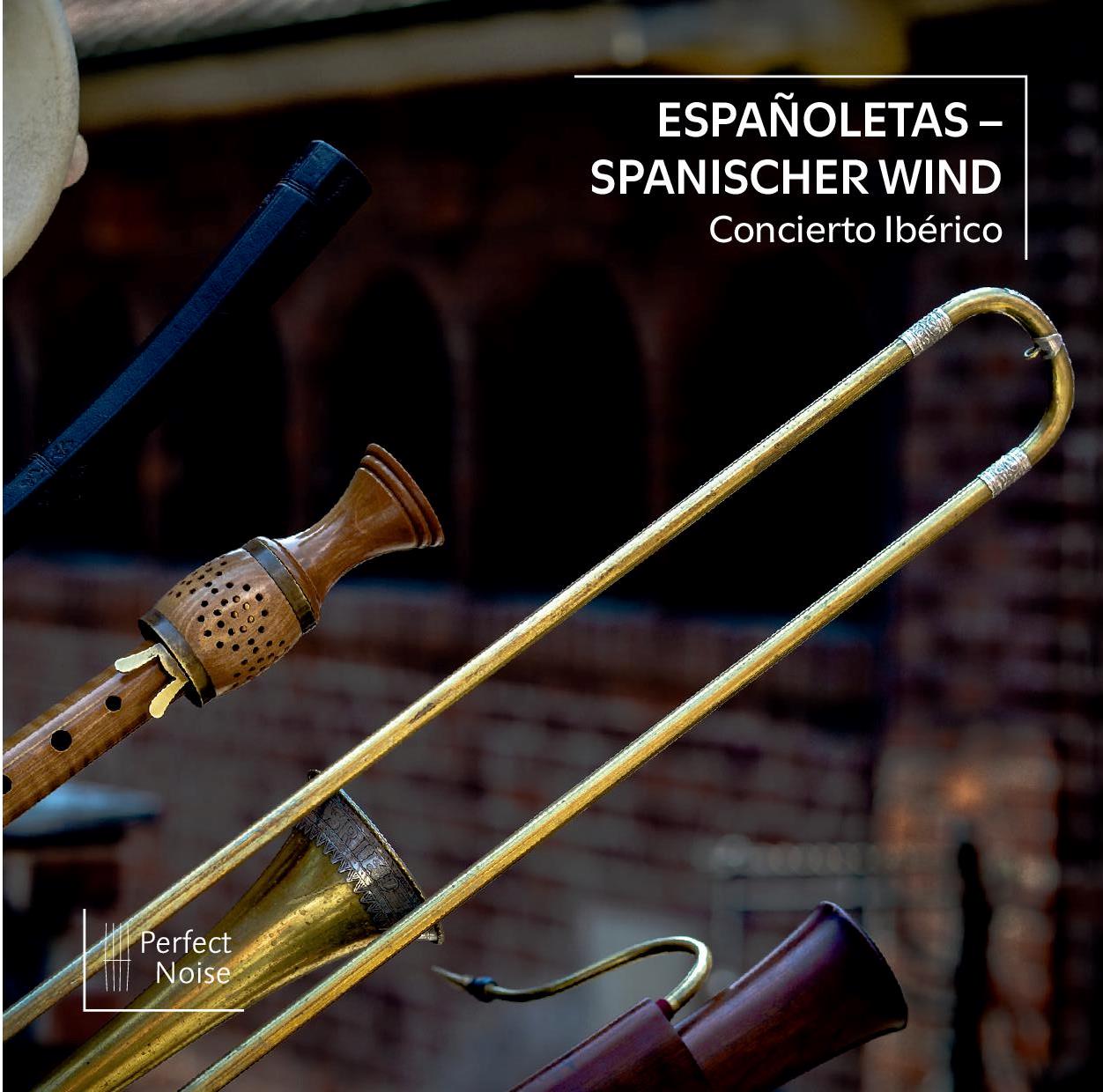
Espanoletas – Spanischer Wind
Klänge aus dem Goldenen Zeitalter – Die Ministriles und ihre Musik um 1600
“Españoletas – Spanischer Wind” möchte das Spiel dieser Ministriles wieder auferstehen und auch heutige Hörer daran teilhaben lassen. Mit festlicher Musik der Renaissance und des Frühbarock nehmen wir die Konzertbecher mit auf eine Zeitreise in das Siglo de Oro, das goldene Zeitalter Spaniens, in dem Komponisten wie Antonio de Cabezón, Diego Ortiz und Gaspar Sanz in ganz Europa gefeiert wurden.
Schwungvolle Tänze, liebliche Canzonen und mitreißende Recercadas, gespielt von einer historischen Ministriles-Besetzung, vermitteln in diesem Konzert einen Eindruck von der ungeheuren Lebensfreude und der beglückenden Lust an Festen und Feiern, die uns aus der spanischen Stadtpfeifer-Musik des 16. und 17. Jahrhunderts entgegenstrahlt.

Orgelpunkt – Trombone and Organ
Wenn von historisch informierter Aufführungspraxis gesprochen wird, ist häufig die Rede von Barockmusik. Der Umstand dass Musikinstrumente im 20. Jahrhundert immer lauter, sowie durch die Anhebung des allgemeinen Stimmtones (von ca. a´ 435 Hz auf 443 Hz) immer brillanter und höher wurden, wirft die Frage nach einer historisch informierten Aufführungspraxis im 19. und beginnenden 20. Jahrhundert auf.
Im vergangenen Jahr hat sich GlossArte intensiv mit dieser Zeitepoche beschäftigt und nach ausführlichen Forschungstätigkeiten ein Stück Bremer Musikinstrumenten-Geschichte wieder zum Klingen gebracht. Daraus ist eine CD entstanden, u.a. mit Ersteinspielungen diverser Werke auf der historischen Sauer-Orgel (1928) im grossen Saal der Glocke, des Bremer Konzerthauses von 1926, zusammen mit der historischen Franz-Kuhn-Posaune (1920). Es handelt sich dabei nicht nur um erstmals eingespielte Werke, sondern auch um erstmals als Duo und im Quartett aufgenommene original erhaltene historische Instrumente.

Orgelpunkt – Die Sauer-Orgel
Glocke Bremen
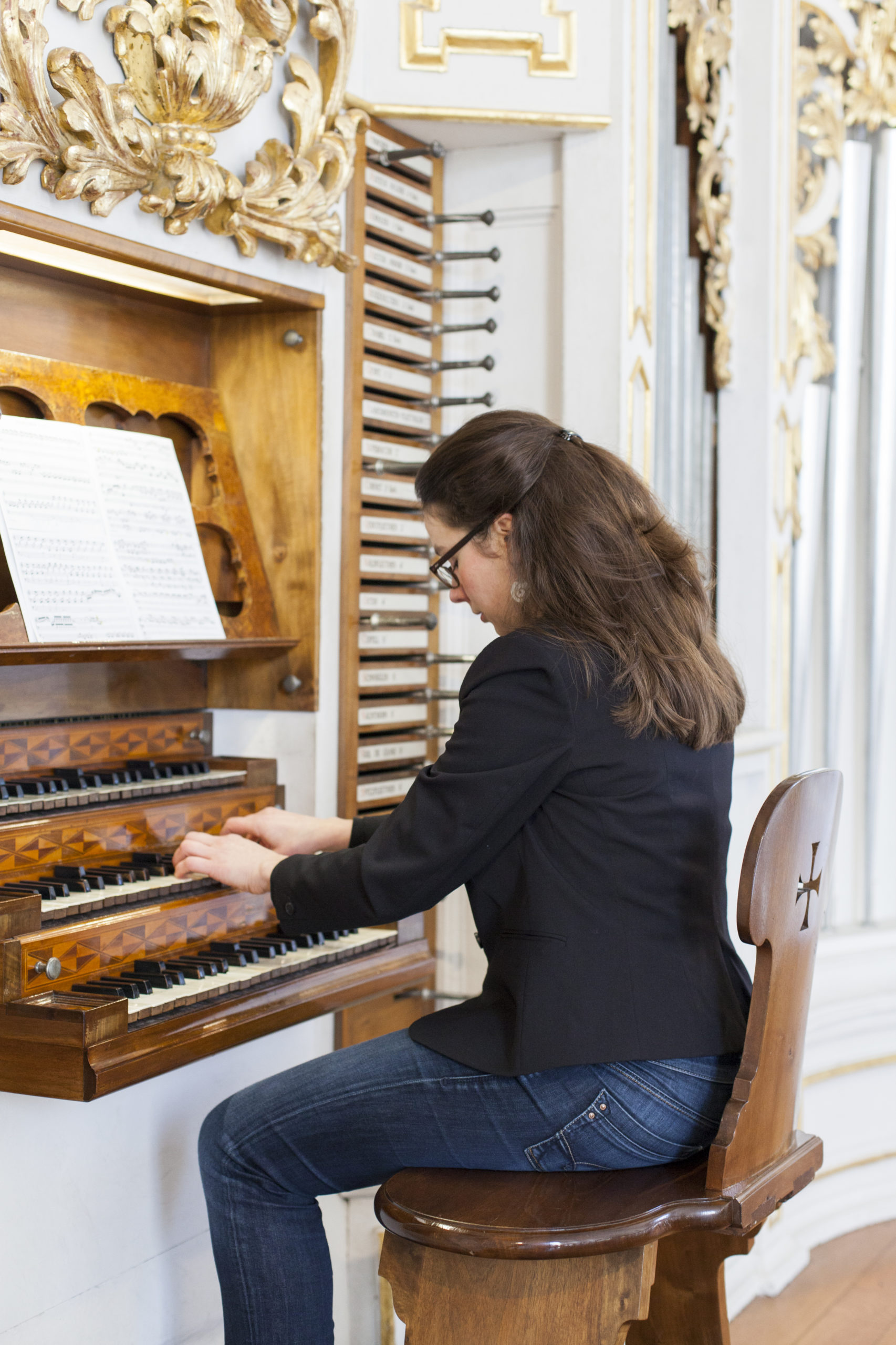
Als 1928 die große Orgel in der Bremer „Glocke“ dem Konzertpublikum übergeben wurde, überschlug sich die Kritik mit Lobeshymnen über die gelungene Symbiose des ausgezeichneten Instruments aus der renommierten Werkstatt Sauer und der herausragenden Akustik des Konzertsaals. Die Orgel hat Krieg und Zer-störung nahezu unbeschadet überstanden und wurde nach ausgedehntem Dornröschenschlaf vor einigen Jahren grundlegend restauriert. Nun ist das in Deutschland einzigartig erhaltene Instrument erstmals auf Tonträger gewürdigt und zeigt, dass es „die Literatur vergangener Zeiten, wie die der Gegenwart einwandfrei wider-zugeben“ in der Lage ist.

